
AI app development Vancouver
AI app development that belongs inside useful mobile workflows.
AI features work best when they remove real friction: reading a document, extracting receipt data, summarizing a note, generating draft content, recognizing text from a camera view, or turning a script into audio. 604Apps builds AI-assisted mobile apps for Vancouver businesses that need practical automation without turning every workflow into a chatbot.
The strongest AI use cases are specific
The useful question is not whether an app should use AI. The useful question is which step becomes faster, clearer, or more private with AI. For a Vancouver restaurant, that might mean converting invoices and receipts into structured records. For a service business, it might mean summarizing field notes before a quote is prepared. For a school, clinic, or training team, it might mean turning written material into guided audio or bilingual practice.
604Apps treats AI as one part of the product system. The app still needs good navigation, reliable data capture, error states, review screens, export paths, and privacy decisions. A model output should rarely be accepted blindly. The better pattern is capture, assist, review, save, and reuse.
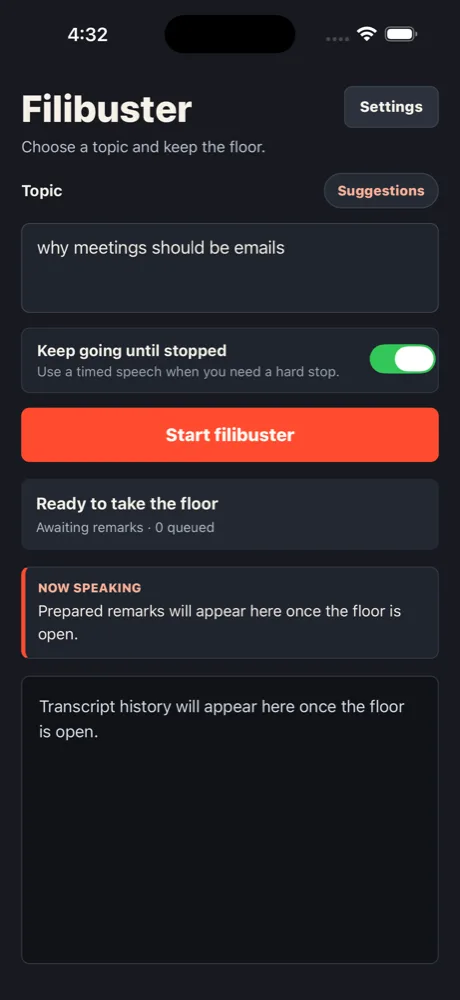
The existing portfolio shows several applied patterns. Receiptopia uses OCR and structured extraction for receipts. CJExplorer uses camera-first recognition for language lookup. SpeechTrack turns timed text into generated speech. Read Aloud and Bookletto show content, summaries, playback, and private reading workflows. These patterns are credible because they are product behaviours, not demos.
On-device AI and Apple platform features
Apple's Foundation Models framework gives apps access to an on-device language model for language understanding, structured output, and tool calling on supported Apple Intelligence devices. Apple documents the framework as a way to generate text, extract information, create Swift structures with guided generation, and call app-defined tools when the model needs help.
On-device AI is especially interesting for Vancouver businesses that handle customer notes, invoices, intake forms, training material, or other sensitive information. Keeping more processing on the device can reduce data exposure, improve offline behaviour, and make the app easier to explain to customers. It does not eliminate the need for privacy design, but it gives the product a better starting point.
The practical design still matters. The app must handle unsupported devices, unavailable models, language limitations, prompt changes, context limits, slow responses, and cases where the model refuses or produces weak output. A production AI app needs fallback paths, not just a successful demo.
AI features that can ship first
Good first releases include OCR intake, note summarization, structured data cleanup, voice generation, local search, document tagging, draft replies, and private knowledge-base helpers. These features are valuable because they sit inside a workflow a user already understands.
For example, a contractor app could scan a supplier receipt, extract vendor and totals, attach the image to a job, and allow the user to correct fields before saving. A training app could generate a first draft of a lesson summary, then let the owner edit it before publishing. A retail app could turn customer questions into searchable notes while keeping the final response human-reviewed.
604Apps would scope the first version around one of these workflows, choose native Apple APIs where they fit, and avoid over-promising model autonomy. The goal is a useful app that makes AI feel like a competent assistant inside the product.
What to prepare before contacting 604Apps
A useful first note does not need to be polished. For this topic, start with the business goal, the target users, the current workaround, and the result the app should create. For example, say whether the app is for customers, staff, or both; whether it needs iPhone, iPad, Mac, or all three; and whether the first release is meant for the public App Store or a private team workflow.
Include any screenshots, spreadsheets, forms, menus, receipts, scripts, training material, or existing tools that explain the workflow. 604Apps can use those materials to identify the screens, data model, risky features, launch path, and the smallest release that would be worth testing with real users. Notes about timeline, budget comfort, required integrations, and current pain points are also useful. The estimate is stronger when the conversation starts with real operating details instead of a broad feature wishlist.