
iOS MVP development
Build the smallest iOS app that can prove the product.
An iOS MVP should not be a throwaway prototype. It should be the smallest useful version that can reach real users, test the main workflow, and teach the next product decision. 604Apps helps Vancouver founders and businesses build focused native MVPs for iPhone, iPad, and Mac.
What belongs in an iOS MVP
A good MVP includes the workflow that proves the product, not every feature the final business might need. For a customer app, that may be onboarding, one core action, account state, payment or subscription if required, and a clear feedback path. For an internal business app, it may be login, task capture, offline drafts, review, and export.
The important part is that the MVP is shippable. It should run on real devices, handle common errors, protect user data, and look credible enough that feedback is about the product, not about obvious rough edges. That is different from a clickable mockup and different from a giant v1.
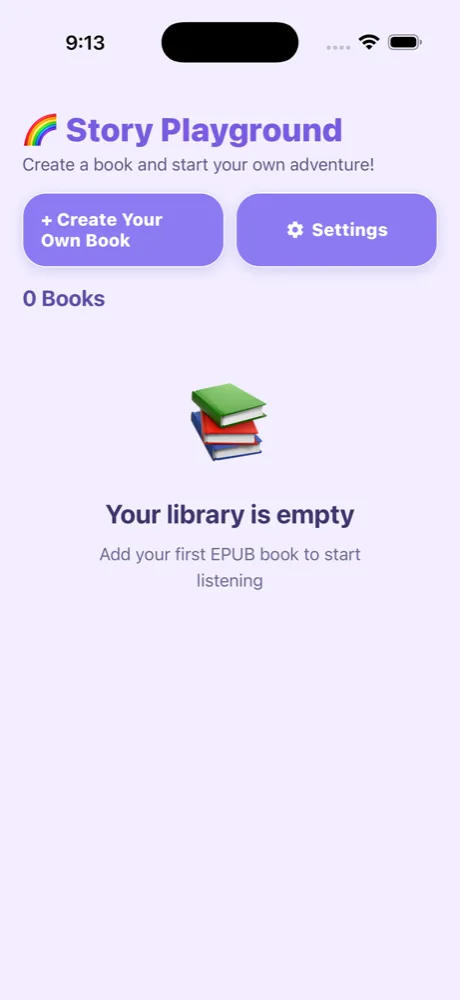
604Apps uses existing product patterns to keep MVP scope concrete. Bookletto shows a content library and creation workflow. SpeechTrack shows a focused authoring tool. Receiptopia shows scan, extract, review, and store. Each of those could have grown endlessly, but the first useful release is defined by a narrow loop.
Vancouver MVP examples
A Vancouver food business might test a pickup preorder app with five menu items, regular-customer offers, and simple order notifications. A tutoring or education business might test a guided reading or language practice app with a small content set. A local service company might test quote intake with photos, notes, and staff review.
The MVP question is always the same: what decision will the release answer? If the question is whether regular customers will install and reorder, the app needs the order flow and the customer benefit. If the question is whether staff can save admin time, the app needs the staff workflow and a way to compare before and after.
Trying to answer too many questions at once makes the MVP slower and less useful. A good first iOS release is opinionated about what matters now.
From MVP to next release
The implementation should leave room for growth without overbuilding. That means clean data models, sensible navigation, reusable components, and a simple release process. It does not mean building every future integration before the first user opens the app.
After launch, the next decision should come from behaviour: where users stop, which task they repeat, which support questions appear, and which manual work still remains. That evidence guides whether the next release adds subscriptions, admin tooling, OCR, AI summaries, push notifications, analytics, or a web dashboard.
604Apps can scope the MVP, build the native app, prepare App Store materials, and help interpret the first release. The value is momentum with a product that can survive contact with real users.
What to prepare before contacting 604Apps
A useful first note does not need to be polished. For this topic, start with the business goal, the target users, the current workaround, and the result the app should create. For example, say whether the app is for customers, staff, or both; whether it needs iPhone, iPad, Mac, or all three; and whether the first release is meant for the public App Store or a private team workflow.
Include any screenshots, spreadsheets, forms, menus, receipts, scripts, training material, or existing tools that explain the workflow. 604Apps can use those materials to identify the screens, data model, risky features, launch path, and the smallest release that would be worth testing with real users. Notes about timeline, budget comfort, required integrations, and current pain points are also useful. The estimate is stronger when the conversation starts with real operating details instead of a broad feature wishlist.